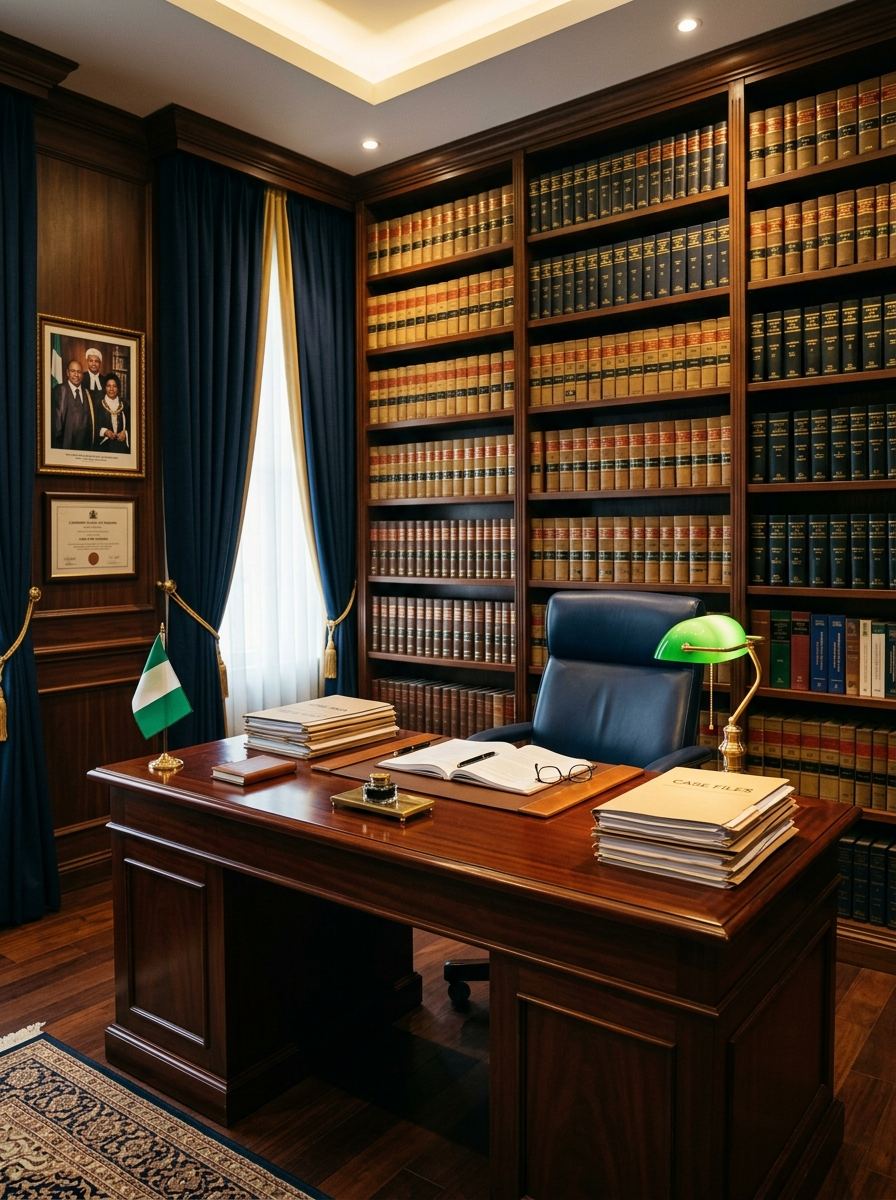
About The Associates

Home  /  About
Chambers
How this started

An Associate, Just Outside Your Chambers

Firms hire associates for a reason. Somebody has to read the file, find the authorities and write the process, and the partner who will argue it rarely has the hours to do all three. The trouble is that an associate is a salary, a desk and a commitment — and the work does not arrive evenly. It comes in a rush before a filing season and thins out afterwards.

The Associates began as a working habit before it became a service. A lawyer in active litigation kept meeting the same week: court in the morning, chambers in the evening, and a written address that had to be produced somewhere in between. Rather than accept that the drafting would always be done last and done tired, it became a separate desk with its own hours — a desk that does nothing but read, research and draft.

Other practitioners asked to use it. That is the whole origin of the business, and the whole of the idea: the associate you need, for exactly as long as you need one.

We are not a law firm. We hold no clients of our own, we appear in no matter, and our legal work is taken only from lawyers. What we offer is not clerical help. It is the work a capable associate in your own chambers would produce, in the weeks you need it and not a day longer.

Who you are instructing

The Principal

[PRINCIPAL NAME]

Principal — Research & Drafting

Called to the Nigerian Bar in [YEAR], with about ten years in active practice. The work has run across corporate and commercial transactions, construction and real estate, regulatory advisory, and litigation from trial through to appeal, including capital criminal appeals taken pro bono.

That range is deliberate. A support service is only worth instructing if it can take the matter actually in front of you — a land dispute, a shareholders’ agreement, an interlocutory application or a murder appeal.

Briefs are taken on personally. Where a matter needs additional hands, it is assigned to counsel engaged by us on the same confidentiality terms you agree with us.

How we work

Four Things We Hold To

Authorities are read

No case cited on the strength of its headnote. Where a decision has been distinguished or overruled, we say so in the memorandum rather than let you meet it in open court.

The work is yours to settle

Delivered as an editable document, in your structure and your house style. You amend what you wish and sign it. We draft; you decide.

Timelines are quoted honestly

If a matter cannot be done properly in the days you have, we tell you when you ask rather than after we have your money, and we say what we can do instead.